For those venturing into the vast remote corners of Australia, deciding how to power your camping fridge is a question that often comes up. With an increasing variety of 12V touring power options on the market, it’s worth digging into what really works on the rugged outback tracks that punish vehicles and gear alike.
In this post, we’ll break down the pros and cons of using a second battery system versus a portable power bank for your fridge. We’ll take a look at why simple design matters when you’re thousands of kilometres from the nearest workshop, why the Toyota LandCruiser 70 Series has remained largely unchanged for over 35 years, and what the Australian Explorer recommends for reliable, repairable camp power. Plus, if you’re a fan of up-to-date travel advice, don't forget to subscribe to our RSS feed or share this article on Facebook!
Understanding the Challenge: Powering Your Fridge in Remote Australia
Running a camping fridge on remote outback routes requires more than just plugging it in. Not all power solutions are equal, and when you’re on tracks like the Canning Stock Route or the Gunbarrel Highway, where corrugations bite hard and service facilities are few and far between, your choice matters.
- Corrugations and vibration: These harsh impacts can loosen or damage electrical connections over time. Long distances: Fuel stops can be 300+ kilometres apart, so your fridge power system must be reliable day after day. Repairability: In the outback, even minor faults can turn a good trip into a frustrating one if the gear isn’t easy to fix on-the-go.
Now let’s see how a second battery system stacks up against using just a power bank.
Why a Dual Battery Setup is the Outback Workhorse
The Toyota LandCruiser 70 Series is often the vehicle of choice for remote Australian travellers. It’s earned its reputation precisely because of its simple, rugged design — and so should your power system.
History of the 70 Series: Introduced in the 1980s and barely changed since, the 70 Series was built with repairability and long-term reliability in mind. Learn more here Many owners keep their 70 Series running for decades, largely due to straightforward engineering and robust components.
Applying this philosophy to your fridge power source means considering a dual battery system as your base option:
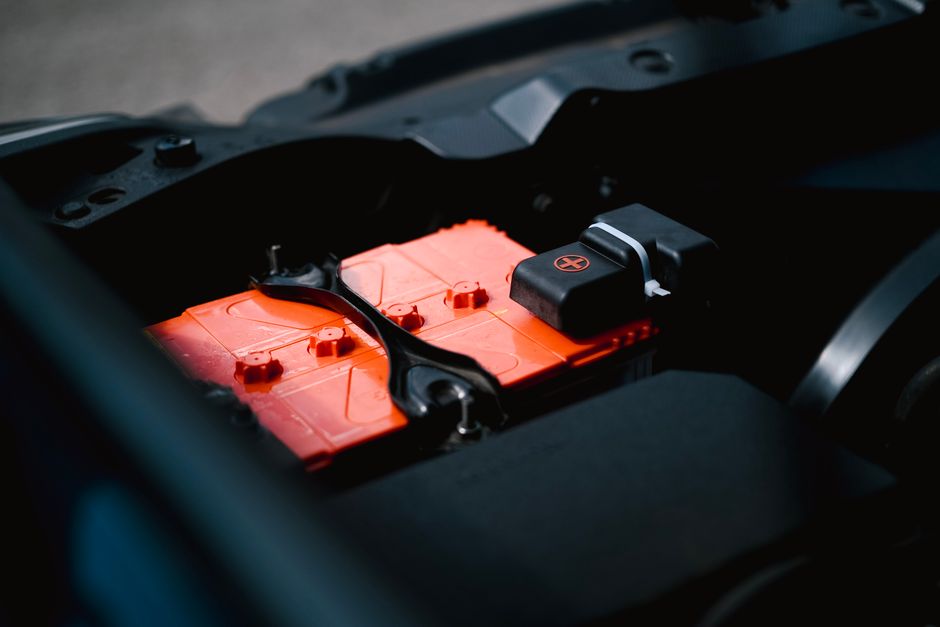
- Dedicated second battery: Usually a deep cycle AGM or lithium battery dedicated to house loads like fridges, lights, and radios. Isolator or DC-DC charger: Protects your starting battery by isolating the fridge battery when the engine isn't running, while intelligently charging it on the move. Simple wiring and solid terminals: Prevents connection failures caused by shaking corrugations.
Because these systems are wired directly into the vehicle’s power, they avoid the inefficiencies and risk of dead power banks. They also lend themselves to straightforward troubleshooting with a multimeter — something that’s invaluable when you’re hundreds of kilometres from a mechanic.
Real-world Reliability
Station owners and remote-area locals consistently tell me that dual battery setups paired with proven fridge models withstand the brutal conditions better than almost anything else. With a second battery, unexpected drops in power are far less likely to spoil your week-long trips, especially when combined with prudent fuel gap planning. I always sanity-check your route distances before recommending specific setups.

Moreover, if your primary battery fails (not uncommon on tough runs), a well-maintained dual battery setup can keep critical systems running until help arrives.
The Appeal and Limits of Power Banks for Camping Fridges
Think about it: portable power banks have surged in popularity due to their compactness and versatility. They can power phones, lights, and even small 12V devices. But can they handle a fridge for an extended second battery fridge week?
- Capacity: Most power banks range from 100Wh to 1000Wh, which translates to just a few hours of fridge cooling before a recharge is necessary. Recharge methods: Power banks require recharging through solar panels, AC mains, or the vehicle’s 12V socket. Solar efficiency is notably lower in the shaded, bushy camps, and AC power is rare on long outback routes. Weight and footprint: Large-capacity power banks tend to be bulky and heavy, which adds to your gear load.
While power banks shine for short trips or as backups, Australian Explorer tour operators caution that trying to rely solely on one for fridge power during extensive outback travel is a gamble. They emphasize the importance of assessing your “fuel gaps” and travel pace — a small power bank simply can’t substitute a well-sized dual battery system when refrigeration is critical.
Common Small Things that Stop Big Trips
- Underestimating the fridge’s continuous power draw. Not factoring corrugation-induced wiring damage. Neglecting that solar panels might not produce enough in shaded or overcast conditions.
For these reasons, power banks are best used in conjunction with a second battery system, not as the sole fridge power source.
Comparing Electrical Camping Options: What Works Best?
Here’s a quick comparison table of typical camping fridge power solutions for 12V touring power:
Option Capacity for Fridge Reliability on Outback Tracks Repairability Weight & Size Cost Ideal Use Dual Battery System (AGM or Lithium) High – Runs fridge for days Excellent – designed for tough terrain Fairly simple, can be diagnosed onsite Moderate – heavier than power banks Moderate to High (initial setup) Long trips, remote camping, heavy fridge use Large Portable Power Bank Low to Medium – few hours without recharge Moderate – less vibration resistant, needs recharging Challenging to repair on the road Variable – lighter but larger size for high capacity Varies – some expensive high-capacity models Short trips, supplementary power Camping Solar Panels + Battery Depends on both components Good with proper setup and sun exposure Repairable with spare cables & panels Large and bulky High initial investment Extended stays, off-grid campsitesFinal Thoughts: Match your Setup to Your Routes and Needs
If you’re planning an outback expedition in a Toyota LandCruiser 70 Series or similar, it’s worth remembering why this vehicle’s electricity and mechanical systems have changed so little. Simple, robust, and repairable gear is a core principle for surviving remote Australian tracks where help can be days away.
In that spirit, a dual battery system dedicated to powering your fridge is the practical, reliable choice for a second battery fridge week on routes that test every part of your rig. Power banks are handy add-ons, particularly for short hops or as backups, but don’t expect them to replace a well-designed dual battery setup.
For up-to-the-minute travel advice about which tracks suit your vehicle’s capabilities, make sure to subscribe to our RSS feed. Share this post on Facebook if you know mates who need to hear this advice before their next trip!
Safe travels out there, and remember: a little extra effort in your electrical rig now saves many headaches beyond the corrugations.